The bold and truly epoch-making writings of the psychoanalysts are indispensable to the student of mythology; for, whatever may be thought of the detailed and sometimes contradictory interpretations of specific cases and problems, Freud, Jung, and their followers have demonstrated irrefutably that the logic, the heroes, and the deeds of myth survive into modern times. In the absence of an effective general mythology, each of us has his private, unrecognized, rudimentary, yet secretly potent pantheon of dream. The latest incarnation of Oedipus, the continued romance of Beauty and the Beast, stand this afternoon on the corner of Forty-second Street and Fifth Avenue, waiting for the traffic light to change.” Joseph Campbell. The Hero with a Thousand Faces
‘As a human being, you are the central figure in the universal hero’s mythic journey, the fairy tale, the Arthurian quest. For men and women alike, this journey is the trajectory between birth and death, a human life lived. No one escapes the adventure. We only work with it differently.’ Jon Kabat-Zinn. Wherever You Go, There You Are: Mindfulness Meditation in Everyday Life
* In a series of posts I call mythology Monday, I look at quotes from the work of mythologist Joseph Campbell and consider them alongside extracts from books and papers on acceptance and commitment therapy (ACT) and related publications.
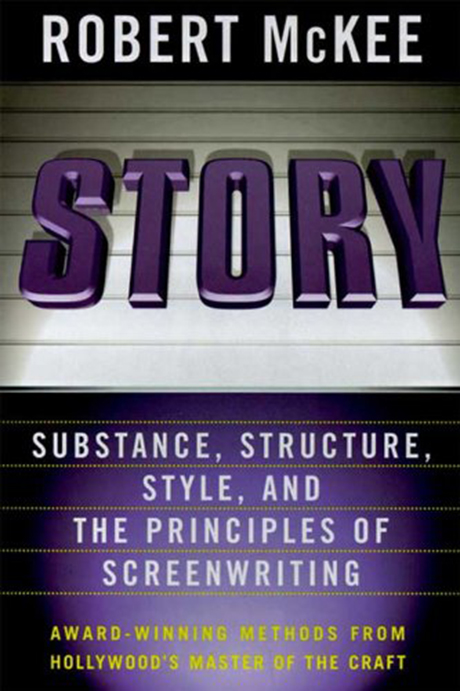
To create great characters, writers need to understand their own thoughts and feelings first.
We all share the same crucial human experiences. Each of us is suffering and enjoying, dreaming and hoping of getting through our days with something of value. As a writer, you can be certain that everyone coming down the street toward you, each in his own way, is having the same fundamental human thoughts and feelings that you are. This is why when you ask yourself, “If I were this character in these circumstances, what would I do?” The honest answer is always correct. You would do the human thing. Therefore, the more you penetrate the mysteries of your own humanity, the more you come to understand yourself, the more you are able to understand others.
Often many people we meet in our daily lives seem to have it all. They seem happy. They look satisfied with their lives. You’ve probably had the experience of walking down the street when you’re having a particularly bad day, and you’ve looked around and thought, “Why can’t I just be happy like everyone around me? They don’t suffer from chronic panic (or depression, or a substance abuse problem). They don’t feel as if a dark cloud is always looming over their heads. They don’t suffer the way I suffer. Why can’t I be like them?”
Here’s the secret: They do and you are. We all have pain. All human beings, if they live long enough, have felt or will feel the devastation of losing someone they love. Every single person has felt or will feel physical pain. Everybody has felt sadness, shame, anxiety, fear, and loss. We all have memories that are embarrassing, humiliating, or shameful. We all carry painful hidden secrets. We tend to put on shiny, happy faces, pretending that everything is okay, and that life is “all good.” But it isn’t and it can’t be. To be human is to feel pain in ways that are orders of magnitude more pervasive than what the other creatures on planet Earth feel.
Editing your own writing can mean a lot of self-reflection too. The trick is to realise that the content is not what’s important.
I try to find my deepest, often hidden feelings about what’s working and what’s not. This is difficult because I do lie to myself without being aware that that’s what I’m doing. For me it’s mainly a matter of finding the path to being honest with myself, which is not always a path I enjoy walking down. It’s not an orderly process. It involves a lot of flailing around.’
‘A healthy human life requires continuous and flexible verbal self-knowledge … it is rare that content itself is the important issue. ACT therapists encourage clients to see what they see as they see it, without objectifying or concretizing this content in order to justify what was felt or seen. This helps remove the social contingencies that encourage a client to lie or to self-deceive. The irony is that when the specific content of self-knowledge is no longer so much at issue, fluid and useful self-knowledge is more likely to be fostered.’










 thefictiontherapist.com